
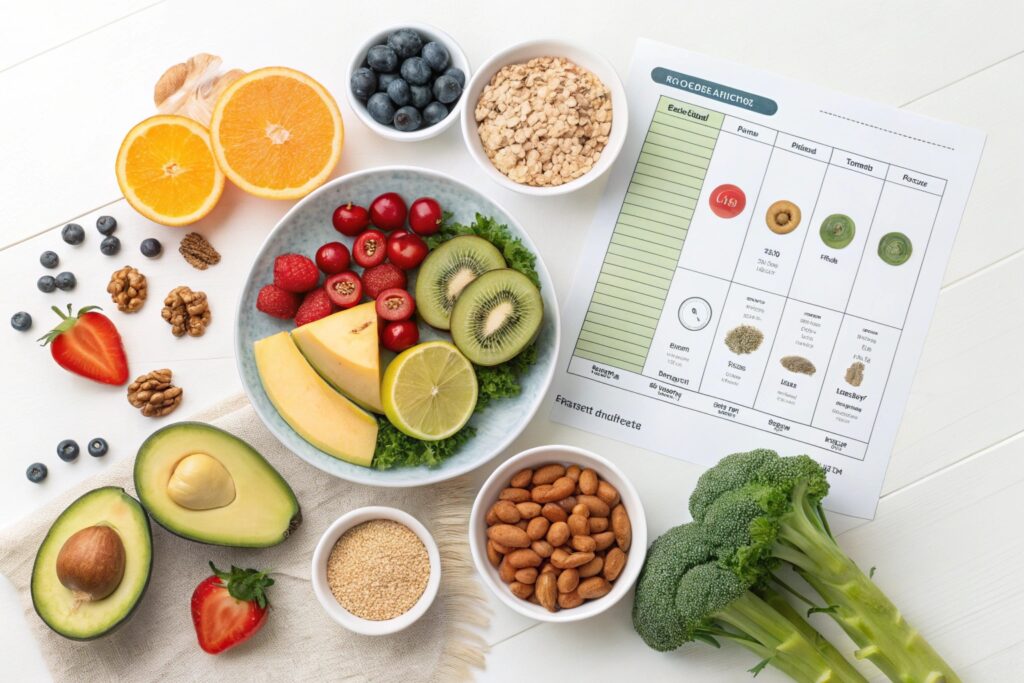

Diet Chart to Lose Belly Fat: Belly fat is the hardest fat to lose and is often the first area to show fat accumulation, even in people who work out regularly. Belly fat is not only linked to calorie consumption but also depends on metabolism, digestion, and hormone levels. In addition, stress levels and sleep quality play a major role. Therefore, following a proper diet chart for belly fat loss is essential. No workout alone can produce results if a proper food chart is not followed. Eating correctly improves digestion, reduces inflammation, lowers insulin levels, and boosts metabolism
Why a Proper Diet Is Important for Reducing Belly Fat
It is often said that we are what we eat. Excess calories, sugar, and unhealthy foods negatively affect metabolism and hormonal balance, leading to fat accumulation around the belly. Eating the right foods helps in:
- Reducing sugar spikes that lead to fat storage
- Promoting healthy digestion
- Reducing inflammation
- Balancing hormones
- Controlling cravings
There is no need for extreme or restrictive eating. The key lies in maintaining balance—what you eat, when you eat, and how much you eat.
General Tips for a Diet Chart to Lose Belly Fat
Before following a daily chart, keep these rules in mind:
- Eat small, well-balanced meals at regular intervals
- Include fiber, protein, and healthy fats
- Reduce sugar, processed foods, and refined flour
- Stay well hydrated throughout the day
- Avoid eating late at night
Consistency is the most important factor for visible results.
Daily Diet Chart for Belly Fat Loss
Early Morning
Start your day with warm lemon water, fenugreek (methi) seeds soaked overnight in water, or plain warm water. These options improve digestion and reduce bloating.
Breakfast (7:30–9:00 AM)
- Vegetable omelet with whole wheat toast
- Oats with vegetables or fruits
- Smoothie with fruits, seeds, greens, and yogurt
- Idli with sambar (not oily)
A high-protein breakfast helps control hunger and supports fat loss.
Mid-Morning Snack (11:00–12:00 PM)
- A bowl of fruits such as papaya, apples, or berries
- A handful of dry fruits like walnuts or almonds
- Coconut water
Keep it light to avoid overeating during lunch.
Lunch (1:00–2:30 PM)
- Brown rice, millet, or whole wheat roti
- Dal, beans, chicken, fish, or tofu (lean protein sources)
- Well-cooked vegetables, vegetable curry, or fresh green salad
Avoid heavy gravies and fried foods.
After-Lunch Habits
- Walk for 5–10 minutes
- Do not lie down immediately
- Drink water after 30–40 minutes
These habits prevent gas, bloating, and fat storage.
Evening Snack (4:30–6:00 PM)
- Roasted chana or peanuts
- Green tea or herbal tea
- Boiled corn (without butter)
- Sprouts chaat
Choose light, nourishing snacks. Avoid fried items and sugar.
Dinner (7:00–8:30 PM)
- Vegetable soup with protein
- Grilled fish or chicken with salad
- One chapati with vegetables
- Stir-fried vegetables with paneer or tofu
An early and light dinner helps burn fat during the night.
Foods That Help in Belly Fat Loss
- Leafy greens and vegetables
- High-fiber fruits
- Whole grains and millets
- Lean protein sources
- Nuts and seeds
- Probiotic foods like curd and cheese
These foods support digestion and reduce belly fat naturally.
Foods to Avoid for Belly Fat Reduction
- Sugar and sugary drinks
- Refined flour products
- Fried and processed foods
- Packaged snacks
- Excess alcohol
Avoiding these foods significantly speeds up fat loss.
Common Mistakes That Slow Down Results
- Skipping meals
- Eating extremely low calories
- Overeating healthy foods
- Late-night snacking
- Not drinking enough water
Crash diets should be avoided, as they slow metabolism.
Lifestyle Changes That Support Belly Fat Loss
- Get 7–8 hours of sleep daily
- Stay active with exercise or movement
- Avoid sitting for long hours
- Practice yoga and meditation
Diet works best when combined with a balanced and stress-free lifestyle.
How Soon Can You See Results?
- 1–2 weeks: Reduced bloating and better digestion
- 3–4 weeks: Visible belly fat reduction
- 6–8 weeks: Reduced waist size and improved body tone
Results may vary depending on metabolism and consistency.
Who Can Follow This Diet Chart?
This chart is suitable for beginners, working professionals, men, and women. People with medical conditions can also follow it after consulting a doctor or nutritionist.
Conclusion
A diet chart for belly fat loss should always be the first step toward a healthier body. While it helps reduce fat, long-term results come only when combined with regular exercise, proper sleep, and stress management. The goal should not be just weight loss, but overall health and well-being.