
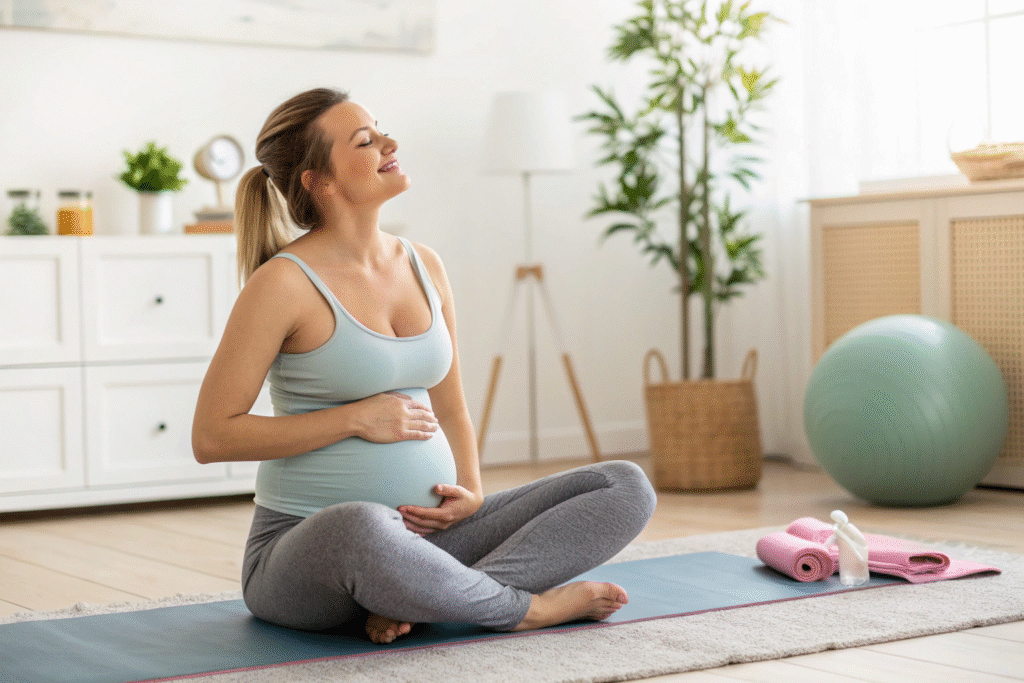

How to Lose Belly Fat After Delivery: Having a new baby is one of life’s most beautiful experiences, but it can also bring noticeable changes to your body. Along with the joy of caring for a newborn, many women worry about post-partum belly fat. If you’re wondering how to lose belly fat after delivery, the first thing to focus on is recovery, patience, and realistic expectations—rather than falling for quick fixes or gimmicks.
Belly Fat and Postnatal Weight Loss
Many women notice that pregnancy weight does not disappear overnight. Belly fat, in particular, often takes time to reduce. Your body needs space to recover from pregnancy, allow hormones to stabilise, and heal properly before weight loss—and especially belly fat loss—can occur naturally.
Why Does Belly Fat Remain After Delivery?
During pregnancy, your body adapts to support your growing baby. The metabolism changes, the frame expands, abdominal muscles stretch, and the skin loosens to accommodate the uterus. Hormonal shifts and water retention after delivery make the belly more prone to fat storage and bloating. These changes are completely normal.
When Can I Start Losing Belly Fat After Delivery?
Generally, gentle exercise can begin 4–6 weeks after a normal delivery and 8–12 weeks after a C-section, with your doctor’s approval. Never rush this stage. Recovery should always be your top priority when learning how to lose belly fat after delivery safely.
How to Lose Belly Fat After Delivery
1. Take the Time You Need to Heal
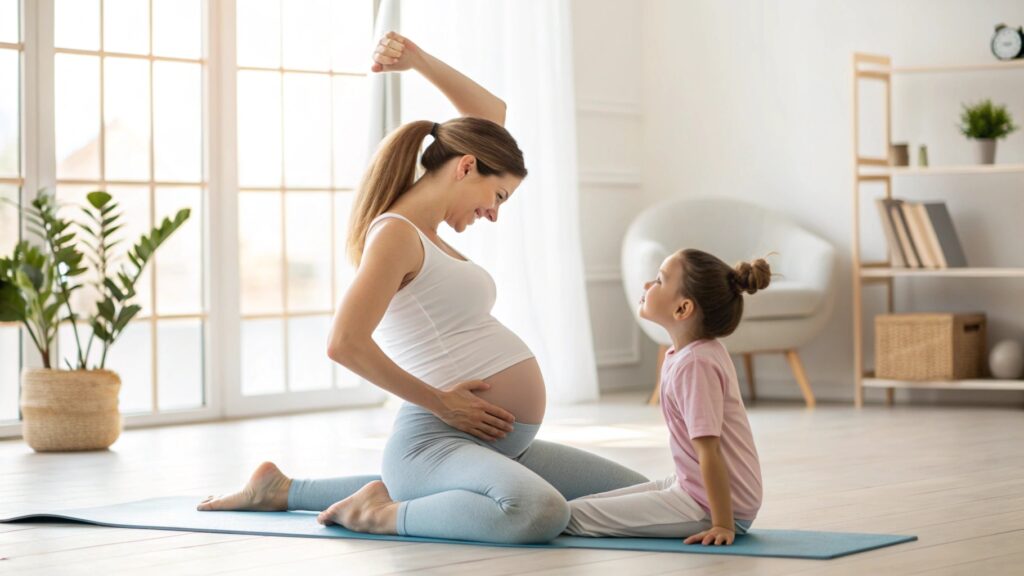
Avoid jumping into intense workouts. Use this phase to reconnect with your abdominal and pelvic floor muscles. Gentle breathing exercises, pelvic floor movements, and light stretching help restore core strength safely and effectively.
2. Breastfeeding Can Support Postnatal Weight Loss
Breastfeeding uses energy and burns calories, which may help the stomach return closer to its natural shape. Combined with postural adjustments after pregnancy, this can support gradual belly fat reduction. Proper nutrition is essential to support both milk production and recovery.
3. Eat a Healthy Postpartum Diet
Postpartum weight loss should never involve crash dieting. Focus on nourishing foods such as:
- Eggs, lentils, chicken, fish, and lean meats
- Fresh fruits, vegetables, and whole grains like oats, rice, bread, and pasta
- Healthy fats from nuts, seeds, and traditional fats in moderation
Drink plenty of water throughout the day.
4. Choose Low-Impact Exercises
Walking and gentle core-focused movements are ideal in the early stages. Avoid sit-ups and crunches initially, as they can worsen abdominal muscle separation. Consistency is far more important than speed when it comes to postnatal belly fat loss.
5. Relax and Prioritise Sleep
High stress increases cortisol, a hormone linked to belly fat storage. Lack of sleep can further disrupt hormonal balance. Rest whenever possible—sleep when the baby sleeps and allow yourself time to recover.
6. Drink Plenty of Water
Staying hydrated reduces bloating and supports digestion, kidney function, and metabolism. Aim for around 2.5 to 3 litres per day, unless your doctor advises otherwise.
7. Be Kind and Gentle With Yourself
Your body carried a baby for nine months. It deserves patience and care for many months afterward. Comparing your postnatal body to others is unhelpful—your recovery timeline is uniquely yours.
What Common Mistakes Slow Down Belly Fat Loss?
- Starting intense workouts too early
- Skipping meals
- Crash dieting
- Comparing your postnatal body to others
- Avoiding weight-bearing exercises
- Repeatedly returning to restrictive diets
How Long Does It Take on Average?
Most women notice visible improvement within 3–6 months when following healthy eating habits, gentle exercise, and proper rest. For some, it may take up to a year or more—and that is perfectly normal. The key is allowing your body to move at its own pace.